
Aug. 03, 2026
Introduction: A six-factor review shows how integrated diesel welding systems can lower logistics, idle-time, and maintenance impacts while retaining diesel-related environmental constraints.
Construction teams increasingly evaluate mobile power by its total site footprint, not only by its purchase price or nameplate output. A diesel welding machine sits at an important boundary in that discussion. It is a welding-focused field power source, yet it can also provide model-specific auxiliary power for work that takes place before a stable grid connection exists. That combination can reduce duplicated equipment, temporary cable runs, transport trips, and idle engine time. It does not remove the direct emissions, noise, fuel-handling risks, or maintenance waste associated with diesel equipment.
Environmental cost on a construction site is not limited to the litres of diesel burned. It also includes the emissions associated with each operating hour, the time an engine runs without productive load, and the additional work created when equipment is poorly matched to the task. A welding crew may consume fuel while waiting for a cable run, a separate generator, or a replacement part to arrive. That idle period is an operational cost as well as an environmental one.
For a diesel welding machine, the relevant baseline is therefore the complete work cycle: transport, setup, warm-up, welding, auxiliary power, shutdown, and maintenance. Fuel-use claims should be read with the stated load, duty cycle, ambient conditions, and engine configuration. A rating such as 10KW or 300A identifies an equipment class, but it does not by itself prove efficiency in every field condition.
Construction projects often move welding equipment between steel members, pipeline sections, repair points, and temporary work zones. Each separate generator, welder, cable set, trailer, and fuel container adds handling, vehicle movements, and storage requirements. These impacts can be small on one task and material across a long project with many relocations.
An integrated unit can reduce some of that duplication by placing the power source and welding output in one mobile package. The environmental benefit is conditional: it depends on whether the combined unit actually displaces other equipment and whether its size is appropriate for the planned loads.
Used oil, filters, cooling fluids, worn leads, and damaged connectors all require controlled handling. A machine that is difficult to inspect may be run beyond its service interval, increasing fuel consumption and the likelihood of failure. When a failure forces a crew to repeat a trip or remobilize a crane, the project creates avoidable emissions and material use. Environmental procurement should therefore treat access to service points, spare-parts availability, and maintenance records as performance evidence rather than secondary conveniences.
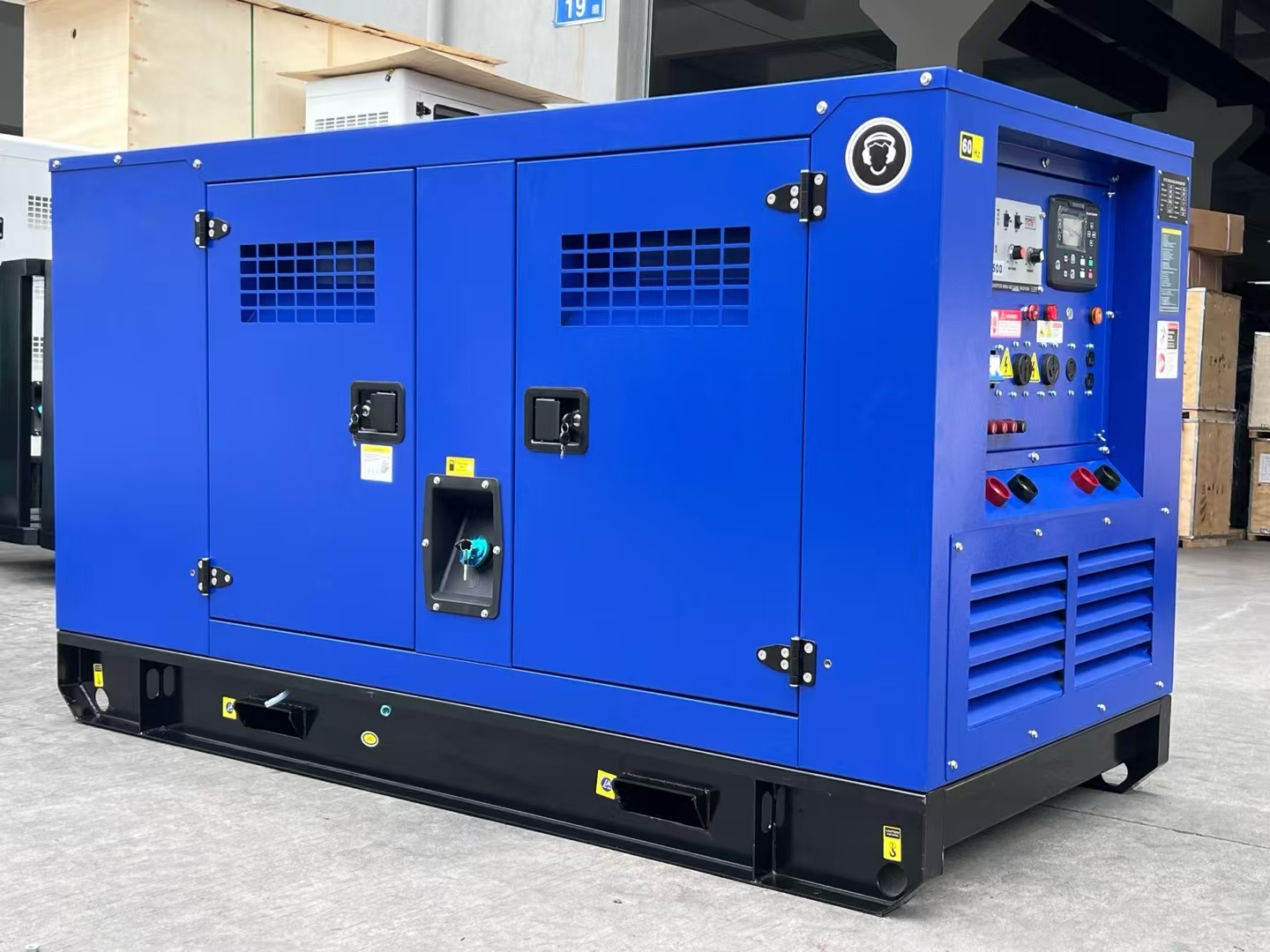
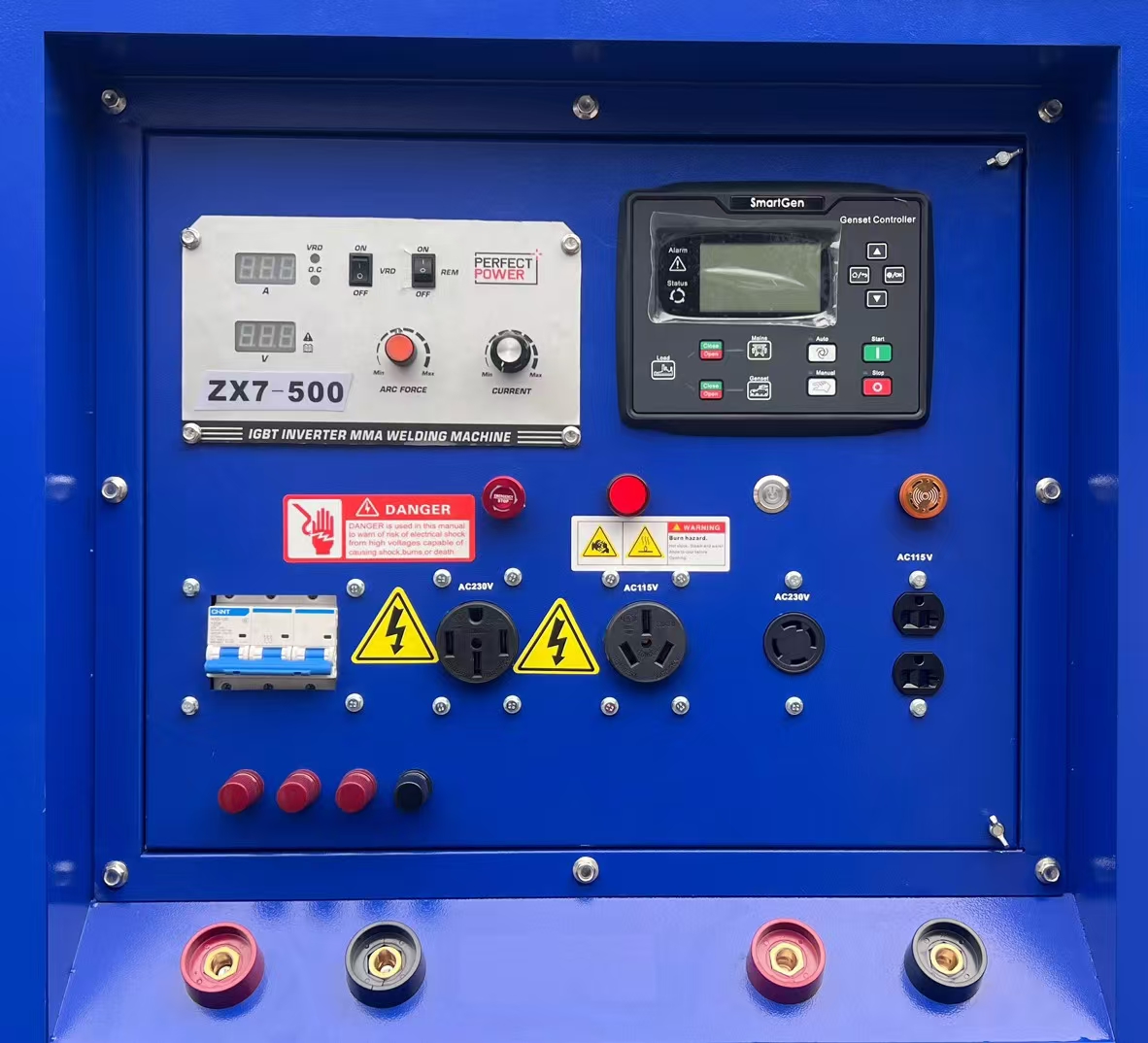
A diesel welding machine combines an engine-driven power source with welding-focused output. The primary task remains arc welding, while model-specific auxiliary outlets may support lights, tools, controls, or other site loads. This distinction matters. A welding-focused system should not be assumed to behave like a standalone generator unless its rated output, connections, protection, and transfer arrangements have been verified for the exact model.
The potential environmental gain comes from coordination. When a crew can complete a weld without running a separate generator solely for the welding circuit, the site may reduce duplicate engines and idle periods. The procurement question is not whether integration sounds efficient, but whether the equipment replaces a real item in the site plan and operates near an efficient load.
Field work creates environmental costs before the arc is struck. Vehicles move equipment, cables are laid across access routes, and crews spend time connecting and testing multiple systems. A compact frame, accessible components, and configurable plugs can shorten this setup sequence. Shorter setup does not automatically mean lower emissions, but it creates a measurable opportunity to reduce vehicle trips, handling time, and the use of temporary distribution equipment.
Fast startup is valuable when a repair crew is waiting at a remote work point. The environmental case is strongest when the operating procedure also limits warm-up, standby, and end-of-shift running. Site managers can record engine hours against actual welding hours and investigate a widening gap. That simple ratio can reveal whether a nominally efficient machine is being used as an always-on power source for tasks better served by another system.
The product page describes 4G and Wi-Fi remote control options. When implemented and secured correctly, remote monitoring can support run-hour records, fault alerts, and planned service windows. Those functions can reduce unnecessary inspection travel and help prevent a small issue from becoming a breakdown. They do not remove the need for on-site safety checks, ventilation controls, or competent operators.
Steel erection, pipeline work, and structural repair often take place before permanent electrical infrastructure is available. A self-powered welding unit can place the energy source near the weld location, reducing long temporary cable runs and the need to move a separate generator. The project should still plan exhaust direction, spill prevention, noise limits, and safe fuel storage.
Road, bridge, utility, and disaster-recovery teams value equipment that can be dispatched quickly. A mobile diesel welding system can support a repair where grid power is damaged or access is restricted. The environmental advantage is tied to reduced delay and repeated mobilization: a durable unit that reaches the work point once may avoid several trips by larger support vehicles. Emergency use also requires a clear plan for fuel handling and waste collection, because urgency can otherwise weaken environmental controls.
Repairing a cracked bracket or worn attachment at the worksite can prevent a heavy machine from travelling to a workshop. The avoided transport may be significant, particularly at mines, quarries, ports, and large civil projects. The analysis should include the fuel and materials used by the welding unit, not only the trip that was avoided.
Projects with several small work fronts can benefit from equipment that is easy to relocate and simple to inspect. Right-sized mobile systems can reduce the temptation to keep a large generator running for a small welding task. Clear dispatch rules should identify which loads may share the system and which require a dedicated supply.
Request fuel-consumption data at several loads and relate it to the expected welding duty cycle. The page for the 10KW 300A model also presents AT-300, AT-400, and AT-500 series data, so buyers should confirm which fuel figure belongs to the selected configuration. A five-litre-per-hour figure without a load condition is not enough for a project forecast.
Count the equipment that will actually be removed from the site plan: generators, welders, trailers, cable reels, and support vehicles. If the integrated unit is added while every existing system remains, the environmental case becomes weaker.
Track engine hours, welding hours, standby time, and shutdown delay. The target is not simply maximum utilization; it is productive operation at a load that matches the equipment design.
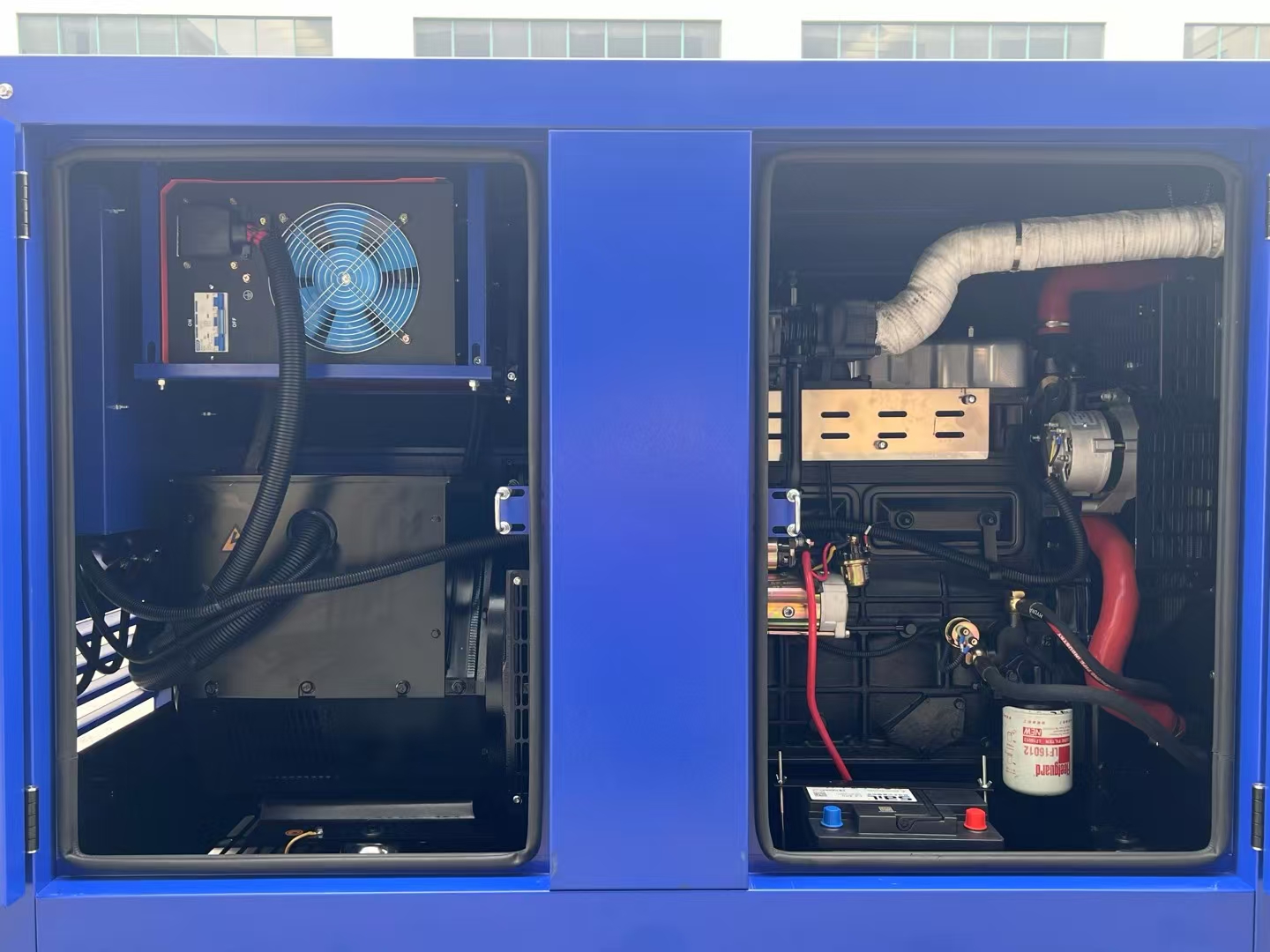
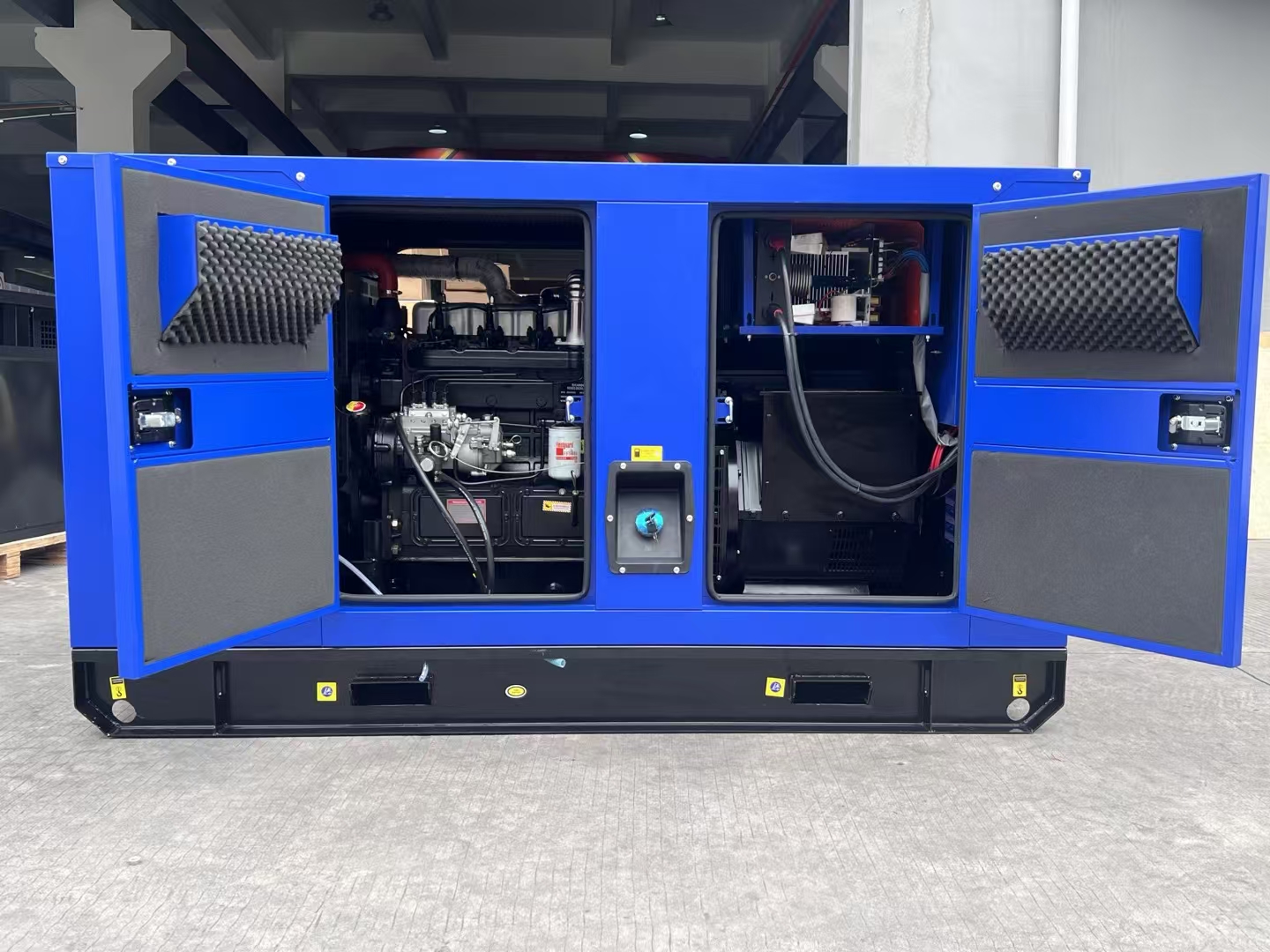
Verify oil intervals, filter types, service access, replacement parts, and procedures for collecting used fluids. These details influence both lifecycle cost and the risk of soil or water contamination.
Emission and noise requirements vary by jurisdiction, engine class, and project location. Buyers should request the applicable engine documentation rather than treating a general ISO, CE, EPA, or RoHS reference as proof of every environmental attribute.
Corrosion-resistant materials, reinforced steel components, and modular access may extend service life. A longer-lived machine can reduce replacement demand, but only when maintenance and eventual recycling are planned. Durability claims should be supported by construction details, service evidence, and warranty terms.
Integration does not turn a diesel engine into a zero-emission power source. Exhaust emissions remain relevant, especially in enclosed or populated areas. The appropriate conclusion is narrower: integration may reduce some indirect resource use when it prevents duplicate equipment or unnecessary travel, while direct engine impacts still require controls.
Night work, residential construction, and enclosed industrial yards can make engine noise a material community issue. Procurement should cover sound data, enclosure design, placement distance, operating hours, and complaint-response procedures.
Fuel containers, hoses, filters, and used oil should be managed with secondary containment, inspection routines, and documented disposal. A spill response plan is part of the equipment system, not an optional administrative extra.
An oversized machine may spend most of its time at a light load, while an undersized machine may be pushed beyond its practical duty cycle. Both cases can increase fuel use, wear, and rework. The best environmental result usually comes from matching the equipment to the actual welding process, material, and operating schedule.
A: No. It still uses a diesel engine and therefore produces direct exhaust emissions. Its potential advantage is narrower: it may reduce duplicate equipment, unnecessary travel, idle operation, or repeated mobilization when the system is properly matched to the task.
A: The strongest cases are remote construction, emergency infrastructure repair, heavy-equipment maintenance, and distributed work fronts where grid access is limited and a separate generator and welder would otherwise be moved and operated together.
A: No. Fuel use should be assessed alongside load conditions, emissions, noise, maintenance waste, transport, service life, and spill controls. A single consumption number cannot describe the full environmental profile.
A: A machine that is much larger than the welding task may run inefficiently at light load, while an undersized unit may suffer excess wear or unstable operation. Matching the output to the process supports both productivity and resource control.
A: The request should cover engine emissions information, noise data, electrical and fuel safety documents, maintenance instructions, service intervals, spill-response guidance, and any certifications that apply to the destination market.
A: Run-hour records and fault alerts can help teams limit standby operation, schedule preventive maintenance, and reduce inspection travel. Monitoring complements, rather than replaces, on-site safety checks and competent operation.
A: Yes. Corrosion-resistant and serviceable construction can extend usable life and reduce replacement demand. The claim should be assessed with maintenance access, parts support, warranty conditions, and end-of-life handling.
A: Useful measures include fuel per productive welding hour, engine idle time, maintenance events, unplanned downtime, relocation trips, consumable waste, and any spill or noise incidents.
An integrated diesel welding system can reduce environmental costs on a construction site when it replaces duplicated equipment, shortens mobilization, limits idle operation, and supports disciplined maintenance. The result is not an automatic environmental advantage. It depends on the actual load profile, fuel and emissions data, noise controls, spill prevention, service life, and the equipment that the unit displaces. Procurement teams should treat integration as a measurable site-management opportunity and test the claim against run hours, productive welding hours, relocation trips, maintenance events, and waste records. For buyers assessing a practical field example, AOTEMU and its 10KW 300A Diesel Welding Machine provide a product case to verify against these same environmental and operational criteria.
Link:
https://www.osha.gov/welding-cutting-brazing
Note: This official safety guidance supports discussion of welding hazards, ventilation, and safe work controls.
Link:
Note: This source provides regulatory context for diesel engines used in nonroad equipment.
Link:
https://www.epa.gov/oil-spills-prevention-and-preparedness-regulations
Note: This source supports the discussion of fuel storage, spill prevention, and response planning.
Link:
https://www.iso.org/iso-14001-environmental-management.html
Note: This reference frames environmental performance as a management system rather than a single product claim.
Link:
https://eur-lex.europa.eu/eli/reg/2016/1628/oj
Note: This official EU legal text provides regulatory context for emissions from engines used in non-road mobile machinery.
Link:
https://www.ccohs.ca/oshanswers/safety_haz/welding/fumes.html
Note: This guidance supports the article discussion of welding fumes, ventilation, and worker exposure.
Link:
https://www.aotemupower.com/diesel-welding-machine/10kw-300a-diesel-welding-machine.html
Note: The product page supplies the equipment category, power and welding ratings, materials, applications, and configuration details discussed as a case example.
Link:
https://www.aotemupower.com/about-us/
Note: The company page describes the broader generator portfolio and references ISO, CE, EPA, and RoHS production controls.
Link:
https://www.crossborderchronicles.com/2026/08/what-diesel-welding-machine-means-for.html
Note: This required reference clarifies the distinction between diesel welding equipment and a general diesel generator in field work.
Link:
https://www.dietershandel.com/2026/08/diesel-welding-machine-vs-diesel.html
Note: This required reference supports the article discussion of output purpose, model-specific connections, and off-grid repair use.
